
Home is Where Recidivism Ends
Imagine stepping out of prison, determined to rebuild your life and never look back, only to realize you have absolutely nowhere to sleep tonight.
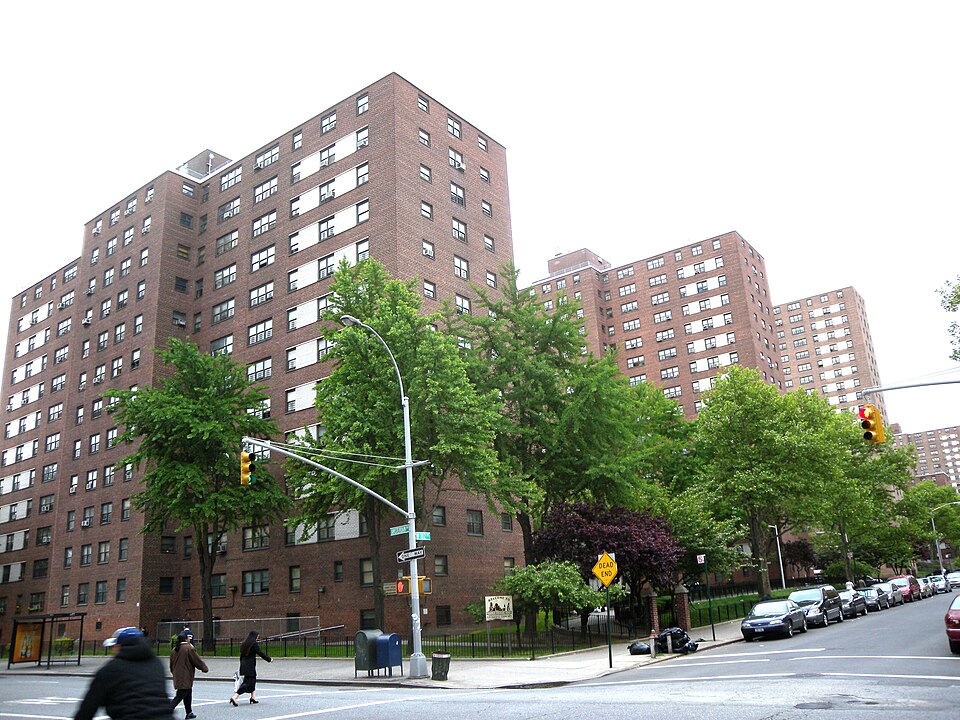
We've discussed the critical importance of employment and family bonds in depth, but there is a third, equally vital pillar to successful reintegration: a roof over someone's head. The impact of housing on reentry is impossible to overstate. Without a safe, stable place to live, the chaos of returning to society often becomes overwhelming, directly fueling a return to the justice system. This isn't just a hypothetical fear, it is a reality proven at scale. If we want to end recidivism, we have to start at home.
Why Temporary Beds Aren't Enough
This isn't just anecdotal; the data paints a stark picture. In a massive study of 48,000 returning citizens in New York City, 11% of those released went straight into the shelter system, with the highest usage occurring in that critical first month of freedom. Shelters are meant to be a safety net, but for returning citizens, they are often a glaring warning sign.
Just as rebuilding family bonds becomes harder with age, securing housing becomes an increasingly steep uphill battle for older individuals. In fact, relying on shelters is a strong indicator that a person's family ties have fractured, placing them at a dangerously high risk for substance abuse relapse. Recognizing this threat, most returning citizens will do whatever it takes to avoid the shelter system and find an actual home.
The Uphill Battle for Independent Housing
Escaping the shelter system is only the first hurdle; securing permanent, stable housing is the real marathon.
The instability returning citizens face is staggering. In Michigan, a statewide study revealed that parolees changed addresses an average of 2.6 times per year. In Boston, only about 20% of returning citizens maintained a stable address during their first year, while more than half moved three or more times. For low-income fathers with young children, the stakes are even higher. These men face twice the housing instability of individuals without a record—even when controlling for age, race, and financial means.
There is a silver lining: people are resilient. The Michigan study found that 70% to 75% of parolees secured private housing within six months, and the Boston study showed a majority living with family or friends within the first year. They survived the shelter system, but they remained trapped in instability. The biggest roadblock to this silver lining is the ability to find independent housing. Even when returning citizens have the financial means to rent their own place, their criminal record acts as a brick wall. Landlords routinely find whatever reason to deny their applications, effectively extending their sentence long after they've paid their debt to society.
We Shouldn't Need Expeal
Simply put: we shouldn't need Expeal. The process of clearing a record should be automated, or at the very least, made vastly more accessible. But more profoundly, we as a society must wake up and recognize that people are so much more than their worst mistakes.
Housing is a fundamental human need. It is the foundation of a stable job, a healthy family, and a safer community. It should never be permanently withheld from someone because of a past conviction.
Share this article


