
Staying Out - Why Family is the Ultimate Safety Net
Getting out of prison is one thing; staying out is another. While we often talk about employment as the golden ticket to preventing recidivism, it isn't the only factor.
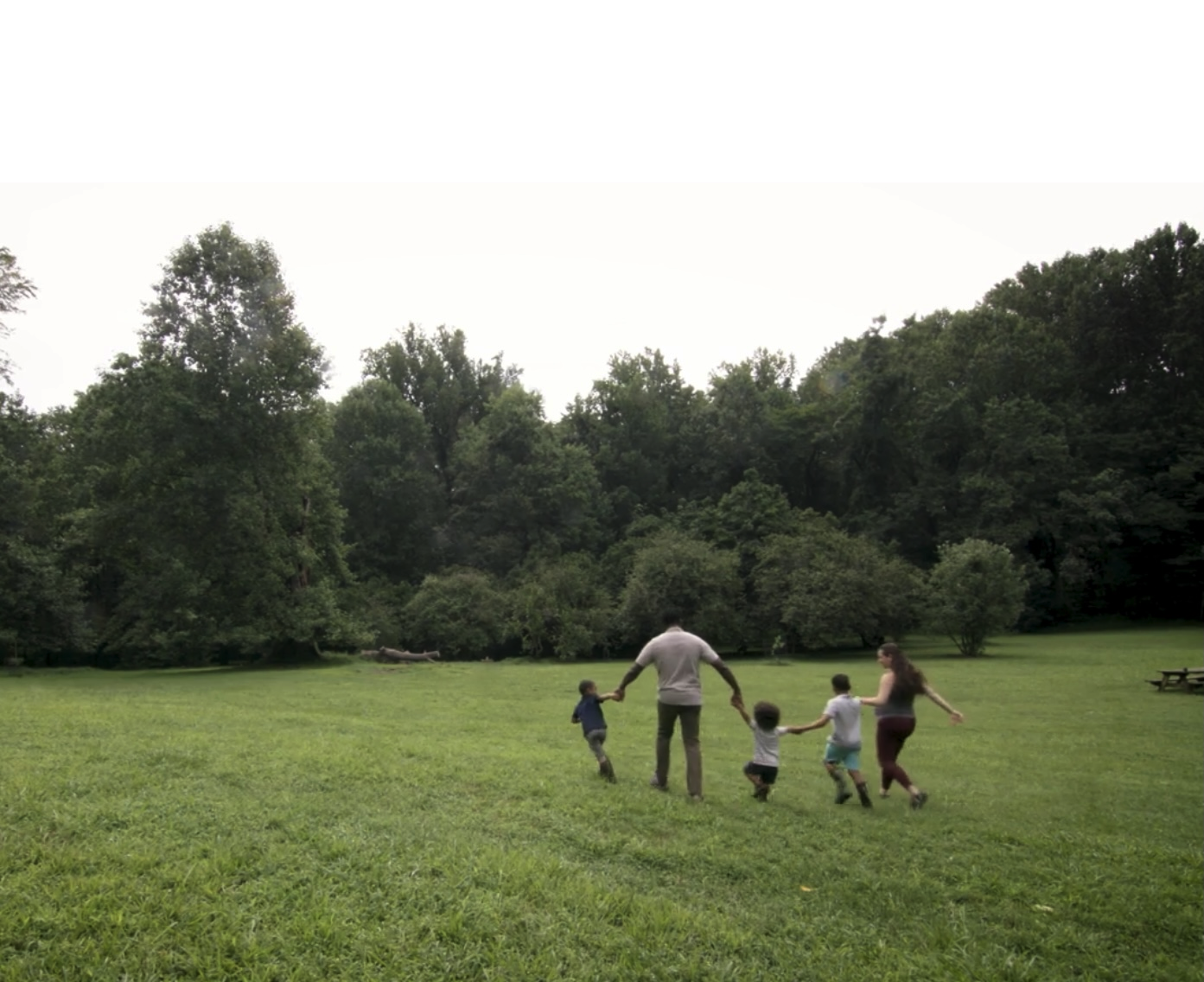
Research confirms that the second most critical element to staying out is having strong family bonds. They are lifelines and they represent emotional stability, material support, and community grounding. Reintegrating into society can be incredibly difficult, but trying to do it without a family to rely on makes the climb that much more difficult.
It is the Connection That Counts
We all know that "family" isn't always defined by DNA. Many of us have a circle of friends who are as close, if not closer, than blood relatives. For someone returning home, this distinction is vital. Reentry brings an immense "stress of transition." A supportive network reduces that stress, largely because it reminds the returning citizen of their inherent value as a person.
How does this work in practice? It's a positive feedback loop created by sticking to simple human routines: sharing regular meals, staying in touch via text or phone, attending religious or community gatherings together. Most critically, these connections often answer the hardest question of reentry: "Where will I sleep?" Family networks - blood or chosen - are the primary source of housing, providing the foundation necessary to build a new life. While younger people tend to fall back into family networks faster, everyone benefits from connection. The older a person is, the more critical that network becomes for successful reentry. This holds true for men and women alike.
The Reality of Reconnection
Current research focuses heavily on partners and children. Unsurprisingly, rebuilding these relationships is rarely easy, especially if the foundation was cracked to begin with.
For returning fathers, access to their children is often gatekept by partners who keep their children. However, fathers who succeed in creating rewarding connections with their kids usually share one common trait: stable housing. Interestingly, this doesn't mean the father has his own place. It just means he has a permanent place. On top of that, fathers who lived with mothers, aunts, or grandmothers often received more visits from their children than those trying to make it on their own. The extended family facilitates the father-child bond.
For returning mothers, the dynamic is different. The research highlights that the pain of incarceration is often viewed through the lens of the child's trauma. Upon reentry, mothers often find that the suffering of their children doesn't end just because mom is home. The road to healing the family unit is often longer and more complex. But one thing remains the same - where the bond is being built or created, the better off the child and the mother will be.
Bringing it Home
Where bonds are broken, rebuilding them is hard work - but it is the work that works. In the long run, the data proves what we already feel intuitively: The strongest defense against going back is having someone waiting for you when you get out.
Share this article


